Introduction
In recent years, the concept of aquaponics has gained significant attention as a sustainable and efficient method of cultivating plants. As an avid gardener seeking environmentally friendly alternatives, I have found myself drawn to the idea of building an aquaponic system in the near future. Not only that, I am really looking forward to applying technology in helping me manage the entire setup. In this blog post, I will explore what aquaponics entails, highlight its advantages over traditional hydroponics, and discuss why I believe my existing fish pond and sun-drenched south-facing garden provide an ideal foundation for this innovative gardening approach.
Understanding Aquaponics
Aquaponics combines aquaculture (fish farming) and hydroponics (soil-less plant cultivation) in a mutually beneficial symbiotic system. In simple terms, the waste produced by fish is converted into nutrients that nourish the plants, while the plants naturally filter and purify the water, creating a balanced ecosystem. Right now I don’t even have a filter for my fish pond anyway, so the thought of using this to clean my pond gives me more reasons to venture into it. This closed-loop system reduces the need for chemical fertilizers and promotes sustainable food production.
Aquaponics vs. Hydroponics
While hydroponics allows for efficient plant growth in a controlled environment, aquaponics takes it a step further by integrating fish cultivation. Here are a few reasons why aquaponics has an edge over traditional hydroponics:
- Natural Fertilization: In aquaponics, fish waste serves as a natural fertilizer for plants. Unlike hydroponics, which relies on synthetic or commercial fertilizers, aquaponics provides organic nourishment to plants, resulting in healthier and more flavourful produce if done right.
- Enhanced Sustainability: Aquaponics embodies the principles of sustainable agriculture. By using fish waste as a nutrient source, we minimize waste and create a self-sustaining ecosystem that conserves resources and reduces environmental impact.
- Ecosystem Resilience: The integration of fish and plants creates a resilient ecosystem that can adapt to changes. The plants help filter and cleanse the water, creating a healthier environment for the fish. Additionally, the presence of fish in the system introduces the potential for additional protein sources.
Utilizing Existing Resources
One of the main reasons I am drawn to aquaponics is the compatibility with my existing fish pond and my sun-drenched south-facing garden. Here’s how these elements come together to support my aquaponic endeavours:
- Fish Pond as a Nutrient Source: By utilizing the fish waste from my existing pond, I can effectively recycle and repurpose it as a natural fertilizer for my plants. This synergy reduces waste and maximizes resource efficiency.
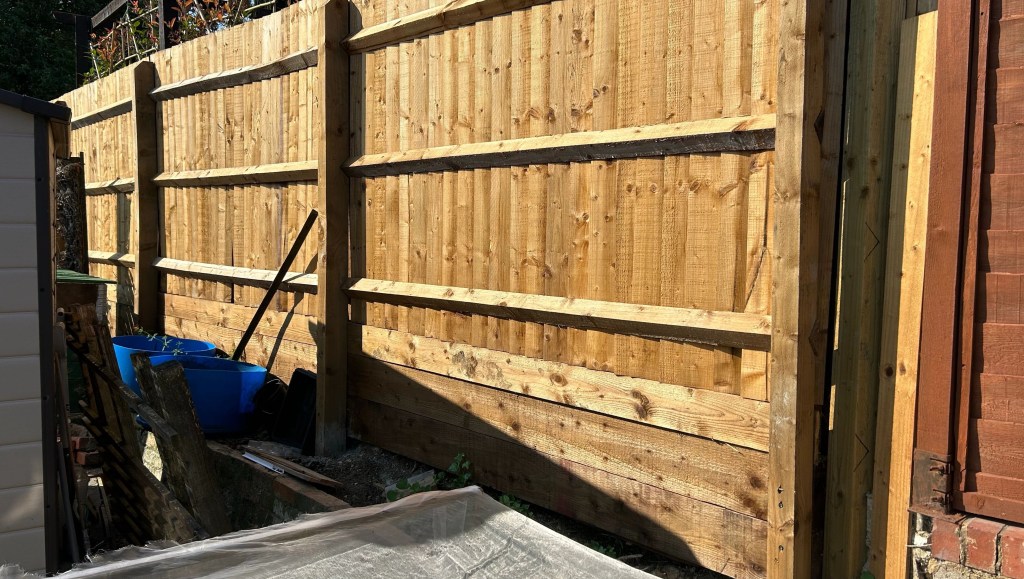
- Vertical Gardening for Space Optimization: With limited ground space, the vertical gardening aspect of aquaponics becomes invaluable. By growing some plants vertically against my back wall, I can make efficient use of the available sun coverage and maximize my growing area. This allows me to reserve precious ground space for crops that are better suited for traditional cultivation.
- Organic Approach: By avoiding the use of commercial liquid fertilizers, I can ensure that my aquaponic system remains as organic as possible. The reliance on fish waste for plant nutrition aligns with my desire to ensure I keep to sustainable and chemical-free gardening practices.
Conclusion
Building an aquaponic system offers a range of benefits, from sustainable food production to space optimization and organic gardening practices. With the integration of my existing fish pond, a sun-drenched south-facing garden and some technological innovations, I am excited to embark on this journey and explore the potential of vertical gardening while utilizing the natural synergy between fish and plants. I know Its not going to be easy, and I can see its going to be a lot of work as a new greenhouse will need building. I will also be investing in additional fish to supplement my pond’s population, as having just 2 little ones will not be enough. But I believe by doing this, I can create a thriving ecosystem that provides nourishment for both plants and animals, all while contributing to a greener and more self-sufficient lifestyle.
 Gardening, Tech and DIY