Introduction
Welcome back to Part 3 of our blog series on gardening mistakes and tips for beginners. In our previous blogs, we delved into the mishaps and lessons I’ve encountered in my gardening journey, aiming to offer insights to help you steer clear of these pitfalls. If you haven’t had the chance to catch up, you can find Part 1 and Part 2 here:
Gardening Mistakes and Tips to Avoid Them (Part 1)
Gardening Mistakes and Tips to Avoid Them (Part 2)
In this installment, we continue to explore my gardening adventures, uncovering the valuable lessons I’ve learned along the way. Join me as I share personal experiences and practical tips, offering you guidance to navigate your own gardening path more effectively.
Not Using a High Enough Net to Protect Plants
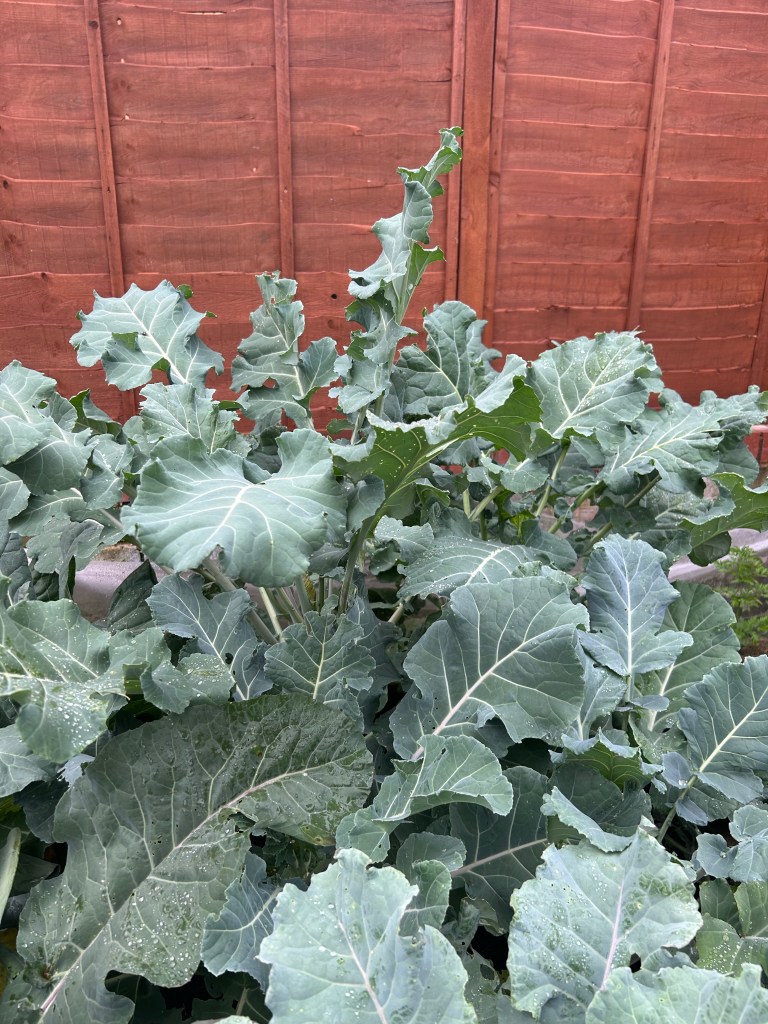
In a previous instalment, I stressed the importance of using protective nets to shield plants from hungry birds and pesky pests. However, a significant revelation dawned upon me: raising the netting to a sufficient height is just as crucial. To my chagrin, I underestimated my plants’ growth, leaving the net inadequately positioned. This oversight created an open invitation for pests, allowing them to lay their eggs, which in turn unleash their destructive larvae upon my crops. Learning from this since I don’t want to use any chemicals, my commitment for the future is to construct a taller net framework, ensuring comprehensive protection. In a serendipitous turn, this framework can also morph into an impromptu greenhouse—simply by swapping the net for a transparent covering.

Using Non-Decomposable Fabric Mulch
Though fabric mulches are serviceable, my preference has shifted towards organic alternatives like grass chippings and cardboard. Unlike fabric, these materials naturally decompose, enriching the soil in the process. Fabric mulches on the other hand, demand more meticulous management and lack the flexibility to accommodate plant growth. For example when I wanted to plant more seedlings, the process of cutting the mulch in the right size and all, was just too much work. Even after opting for grass chippings as a cover, I find myself tasked with the additional chore of removal of the fabric mulch for compost application.
Delaying Tomato Pruning
A valuable lesson was underscored when I neglected the timely pruning of my tomato plants. Admittedly, I fell into the trap of assuming that intensified fertilization could compensate for the lack of pruning; and really wanted to experiment it really. This misconception translated into a chaotic profusion of offshoots and a dense foliage canopy. Consequently, my well-intentioned aim of nurturing a modest ten tomatoes per plant faced a significant setback, as the excessive growth hampered the ripening process. If I didn’t prune, each plant would have had more than 10 times that; I know newbie mistake.
Reliance on Misting System Alone
This is blog post, I wrote about how I built my misting system for my greenhouse. The efficacy of my misting system in managing temperature and hydration is undeniable. However, the journey also illuminated its limitations. The accumulation of mist on leaves occasionally precipitates drooping due to the additional weight. Moreover, the application of water droplets to leaves and their subsequent fall can result in disparate soil moisture, presenting the risk of uneven hydration or “hot-spotting”. In response, my solution involves the integration of a low-level water sprinkler, a project inspired by a developing fish pond filter system I am working on. So since I will be using some water drums for the filter, will simply have the waste supplied to the greenhouse.
Overextending Lettuce Growth
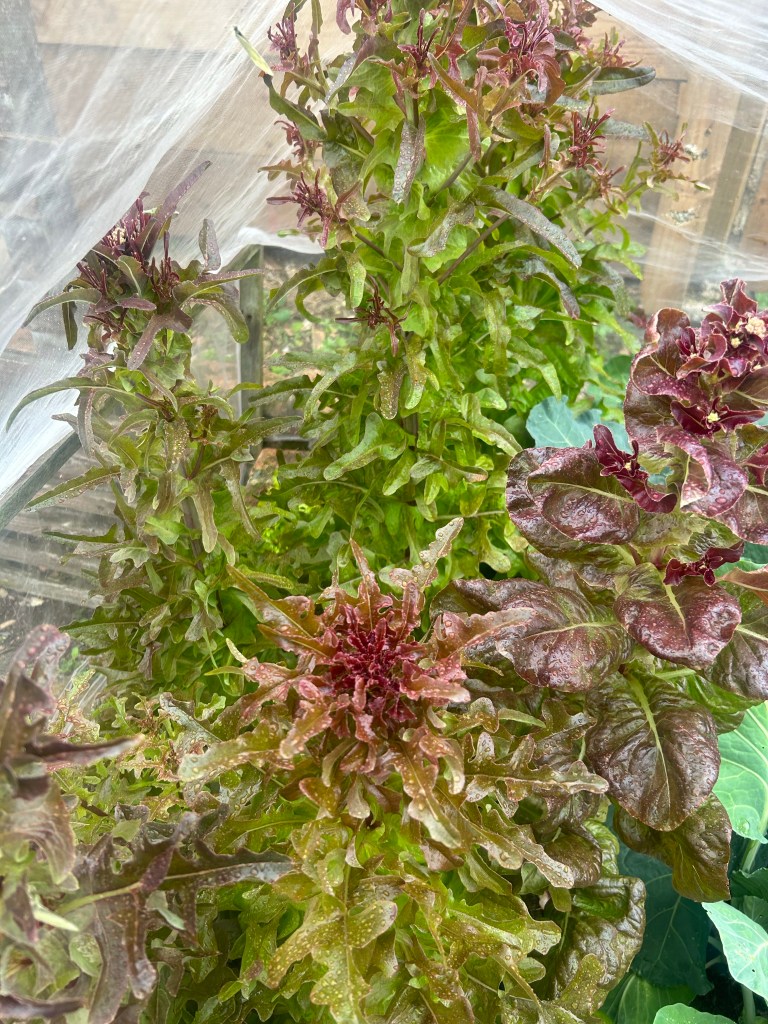
Reflecting on what I wrote in part 2 of this series, where I emphasized my alternative approach of continual leaf harvesting instead of complete uprooting for lettuce cultivation. Regrettably, I underestimated the potential for lettuce to grow to towering heights (who knew?). The unintended consequence of this exuberant growth was the emergence of a bitter taste, negating the very essence of this delightful vegetable. This experience underscores the importance of timely intervention in managing lettuce growth.
Conclusion
In the tapestry of gardening, each misstep has woven valuable lessons. From adjusting net heights to guard against pests, to embracing organic mulches for sustainable growth, these experiences have illuminated the path to nurturing thriving gardens. The unwieldy growth of tomato plants reminded me of the importance of timely intervention, while the limitations of misting systems highlighted the beauty of adaptation. The bitterness of overgrown lettuce leaves underscored the significance of nature’s timing. As we close this chapter, let’s embrace these lessons, knowing that amidst challenges, gardens flourish, and life’s lessons bloom.
So what has your gardening journey been like? Do add it in the comments, and let us share our journey in this wonderful experience of growing our own food. In the mean time, do stay tuned for Part 4, where we’ll continue to share insights, experiences, and tips. Happy gardening!”
 Gardening, Tech and DIY